“false friends” and “faux amis”
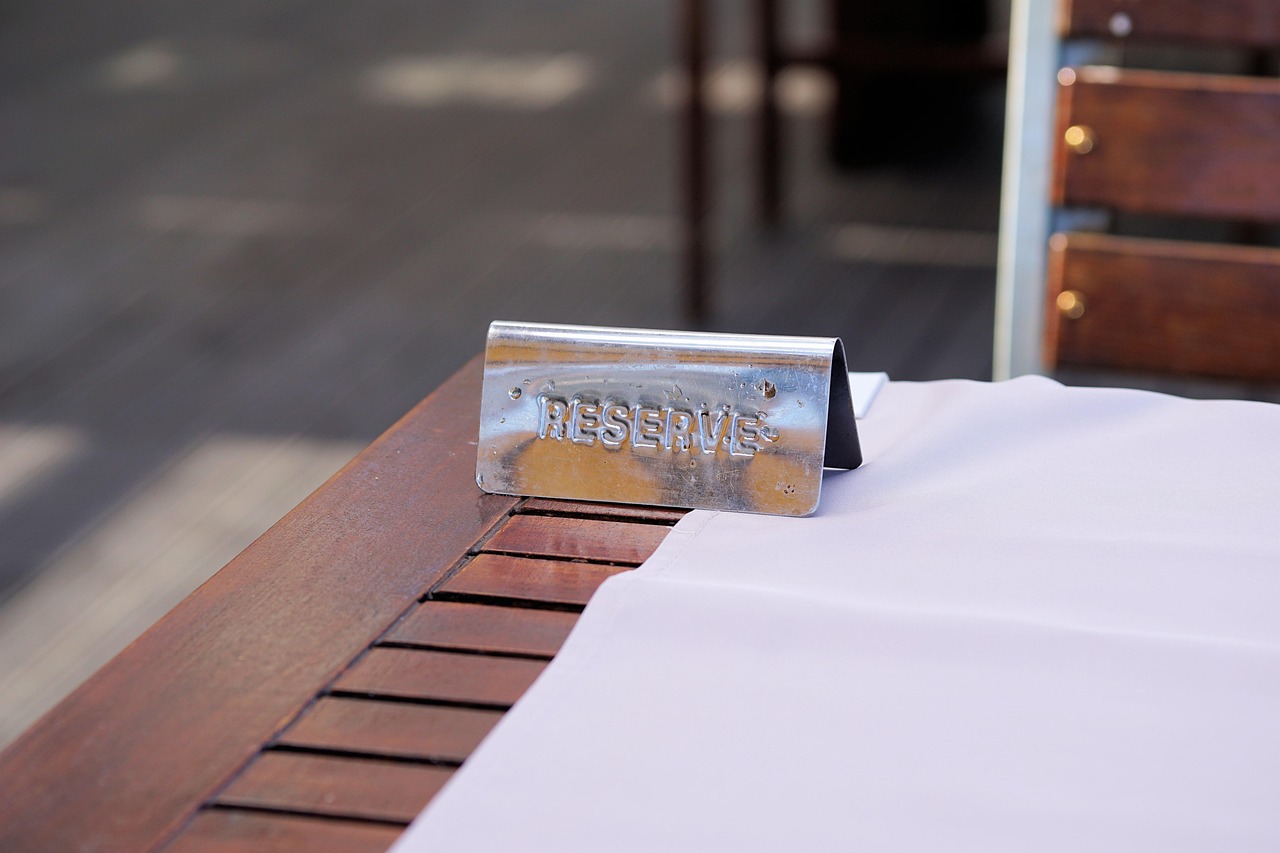
There are lots of words that English and French share, making learning the language a lot easier: ambulance, accident, courage, obstacle, café, omelette, capable, possible, information, etc. There are a few, however, that could quiet easily catch you off guard or make you wonder if you’ve missed something in the conversation. They are called “false friends” or “faux amis” in French: words in another language which resemble words in your own language but have a completely different meaning. We’ve picked a few of the most common ones and sectioned them into different categories to help you memorise them.
Personality
Have you been described as “sympathique”, “gentil” or “sensible”? Did you understand these traits as “sympathetic”, “gentle” or “sensible” respectively? If so, you’re not the only English speaker in the world to have been foiled by these false friends. “Sympathique” and “gentil”, or “gentille” for people with female pronouns, both mean “kind”, “nice” or “pleasant”. You can even use “sympathique” to describe a place you like i.e. “c’est sympa comme restaurant”. Then there’s “sensible”, which in French has nothing to do with being level-headed but actually means “sensitive”, for example: “il est sensible au bruit, surtout pendant la nuit”. If someone or something is described in French as “formidable”, it means wonderful rather than imposing.
Clothing
Why does the jacket you’re looking at have a label saying “veste”, the cardigan is calling itself a “gilet” and the sneakers have gone wild with “baskets”?! For us, a gilet tends to be a padded sleeveless jacket but a French “gilet” is actually a cardigan. Likewise, a “veste” has sleeves and is for outerwear, the total opposite of our “vest”. Don’t slip up with the word “slip” either! In English we’re talking about a slip dress or skirt that provides an extra lining, but in French “un slip” is a pair of men’s underpants. And yes, weirdly enough the sneakers or trainers you have your eye on in that fancy Parisian shoe shop are “baskets”!
Food
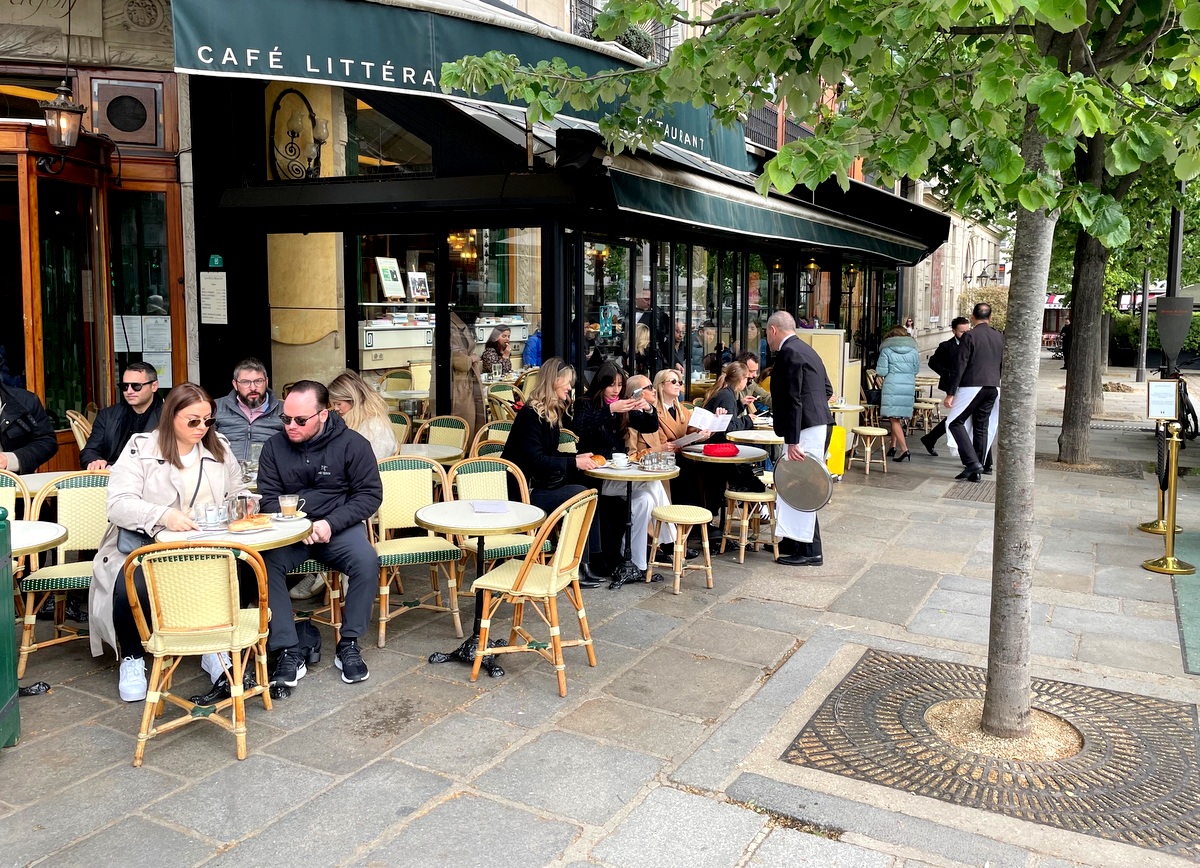
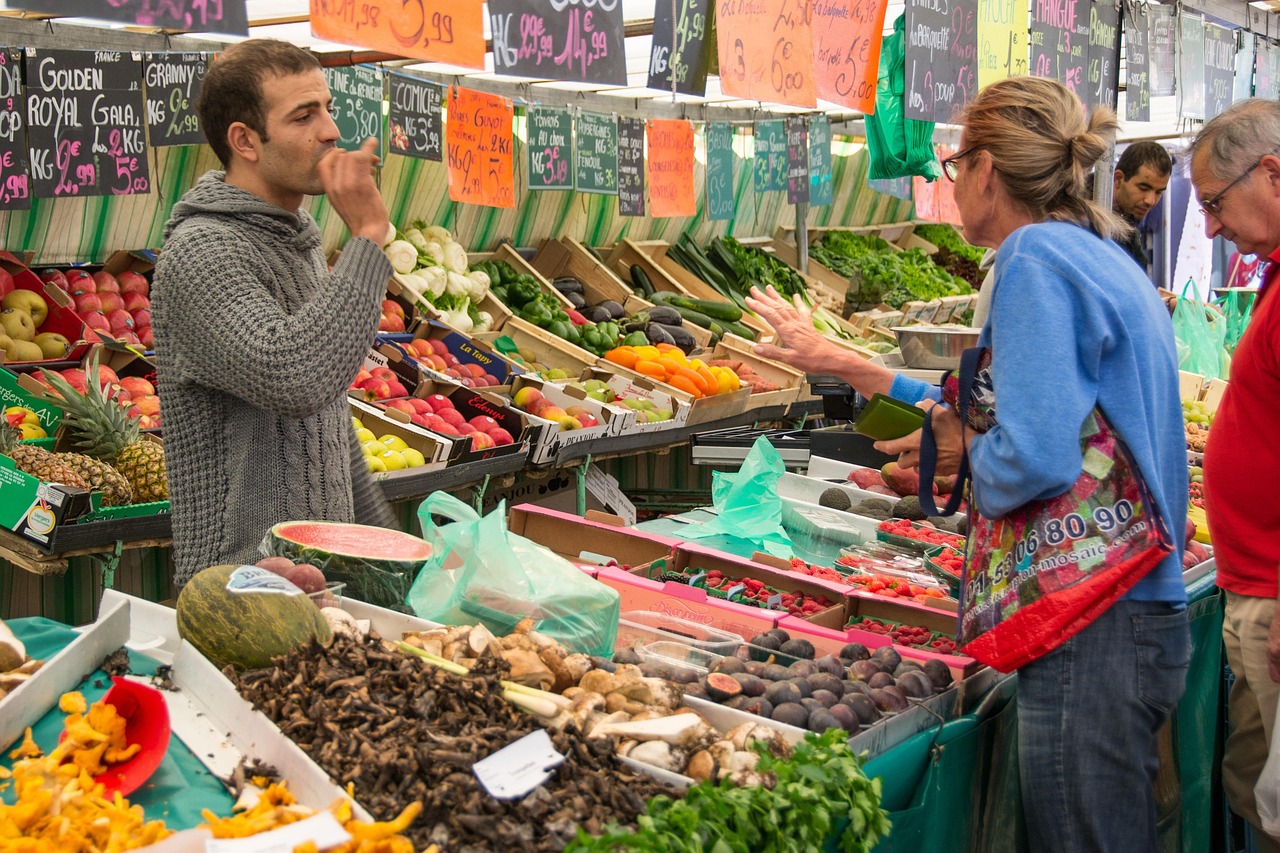
You see “prunes” and “raisins” on a restaurant menu and think you know exactly what you’re going to order… until you get a fruit salad with plums and grapes. That’s right, the French terms describe the dried versions, in English, of the fruit you’re actually getting served. If you’re wanting the dried version, you need to add “sec” or “secs” to the name of the fresh fruit. Whilst we’re in a restaurant setting, remember to ask for the “carte” if you want to have a look at the menu. For any Americans or people who have spent a lot of time watching US cookery shows, when you order an “entrée”, don’t expect your dish to be the size of a main since you’re ordering a starter or first course.
There are more weird and wonderful false friends out there in French (the word “coin” means “corner” but “monnaie” means “coins”), but rather than list each and every one of them, we think the best way to get to grips with them is by going to France itself and immersing yourself in the local culture. Take your pick from ACCORD Paris in the French capital or CIA Antibes with schools all over the French Riviera.
Contact us at Active Languages for information about our French language school partners in Paris and the French Riviera: info@activelanguages.co.uk